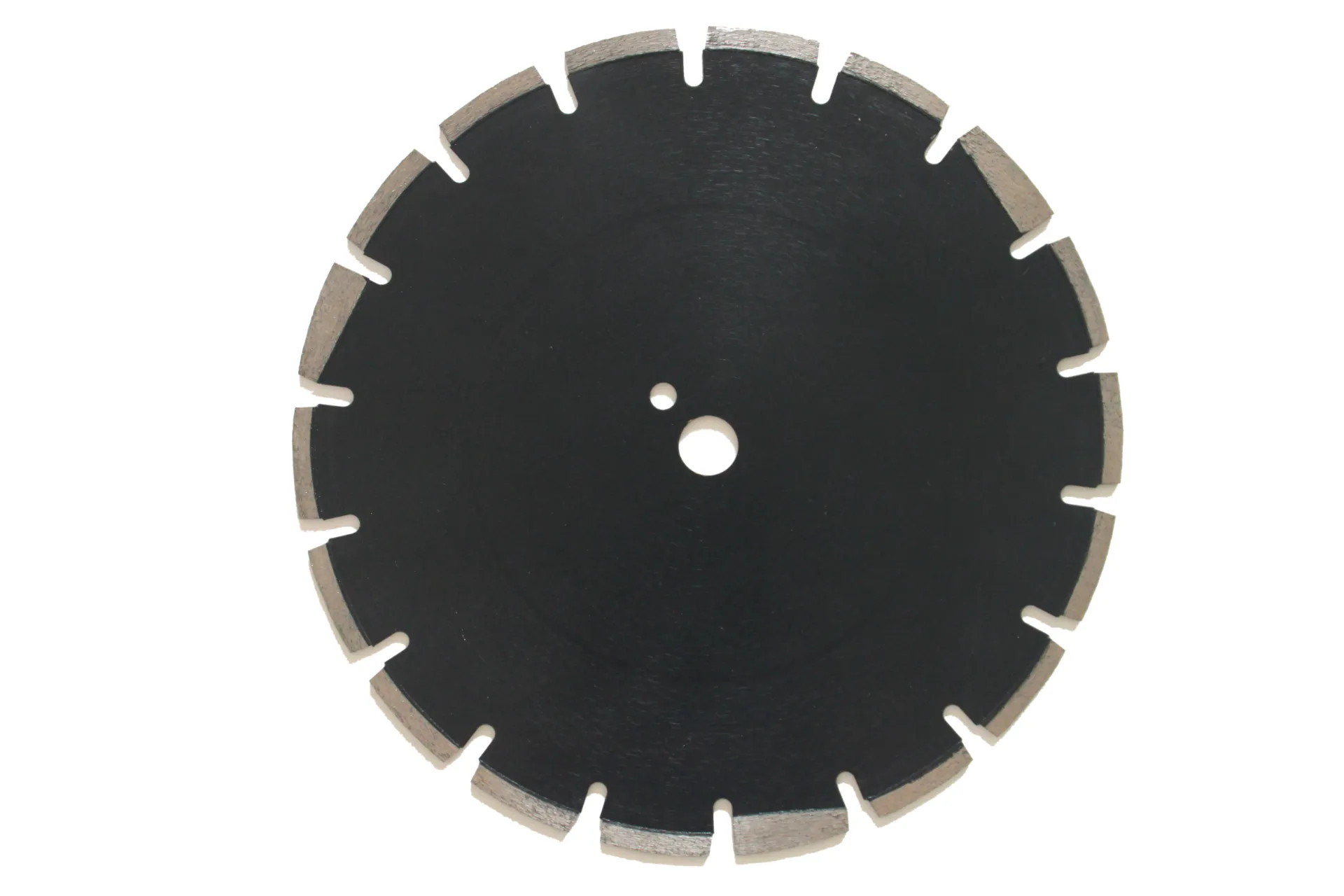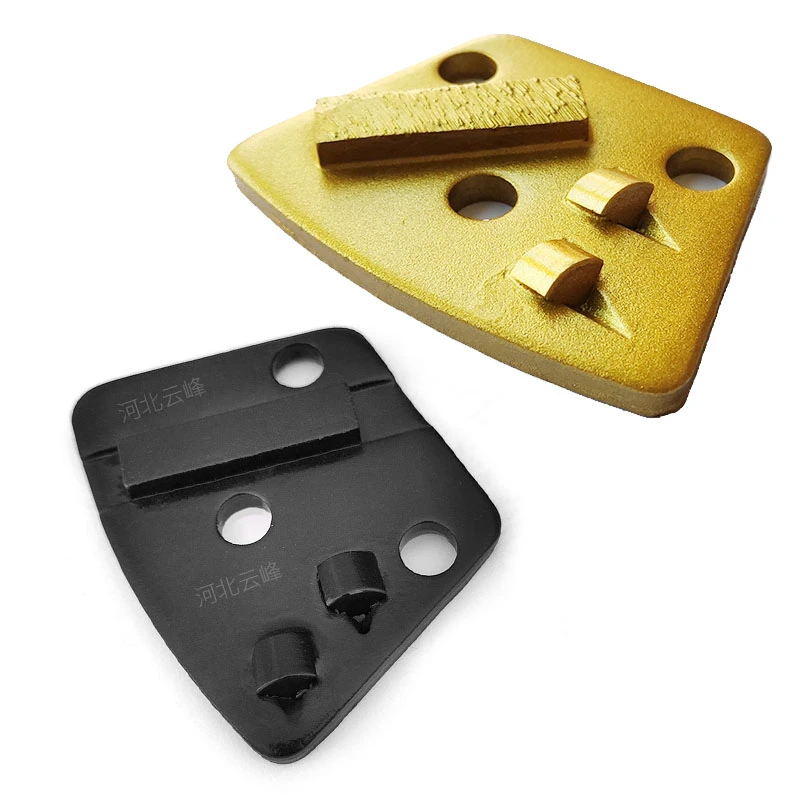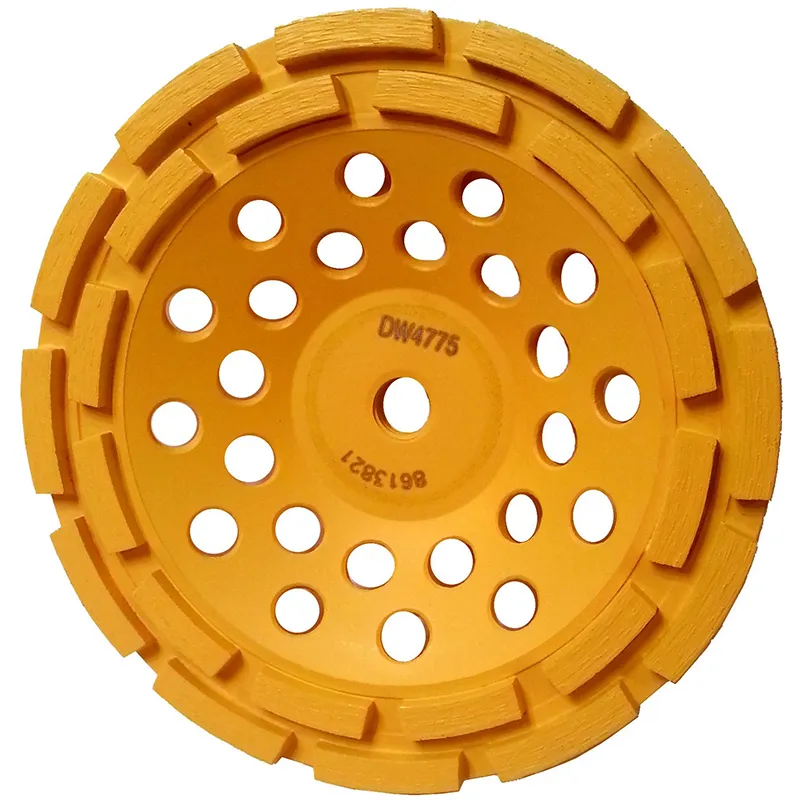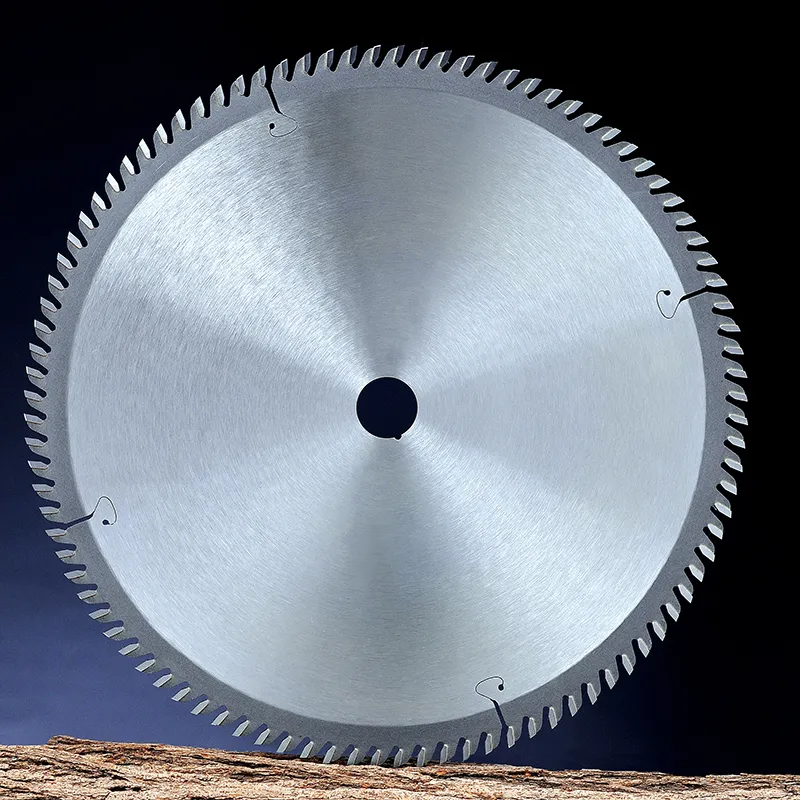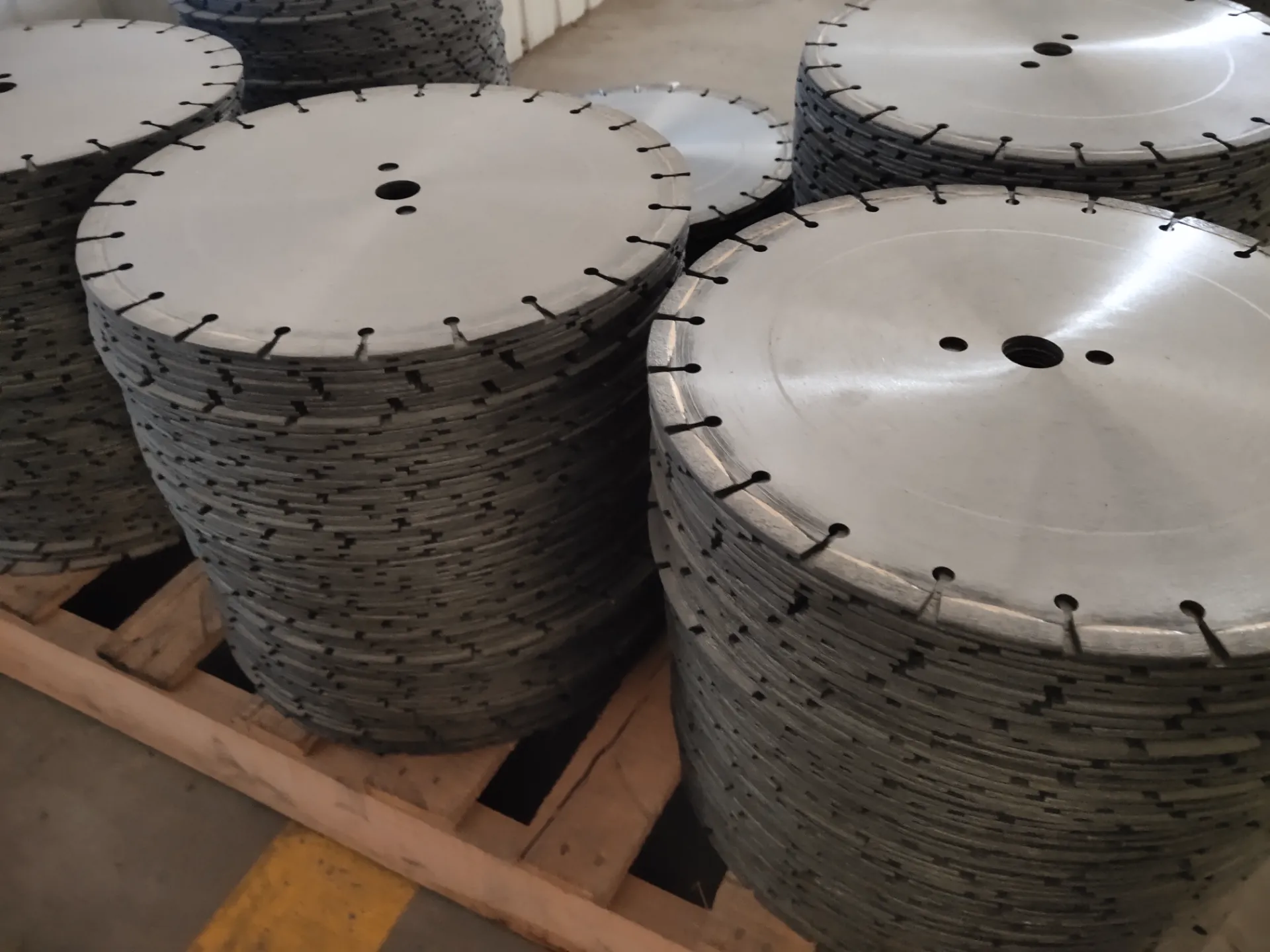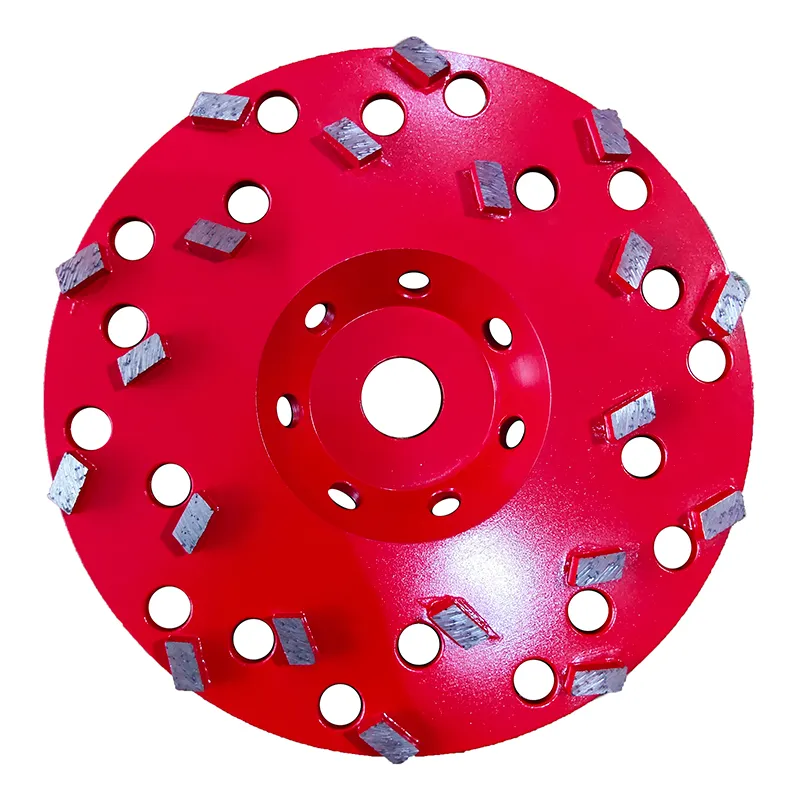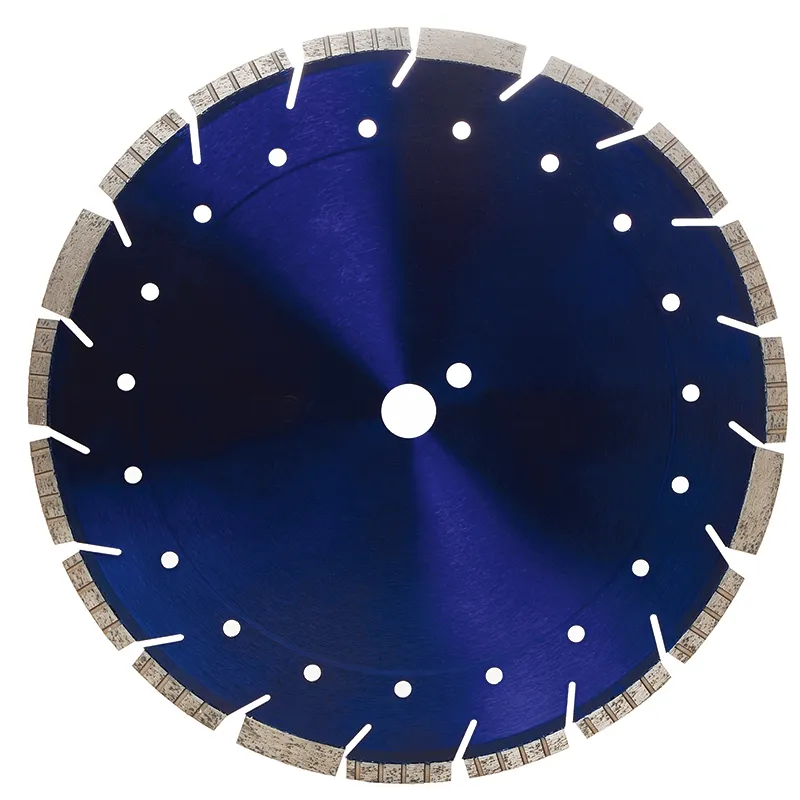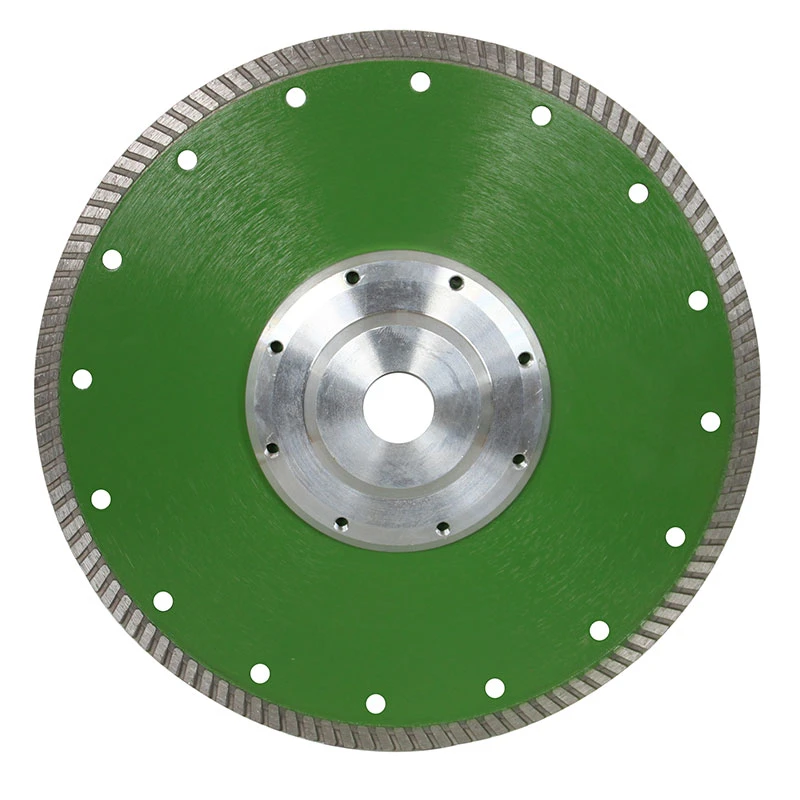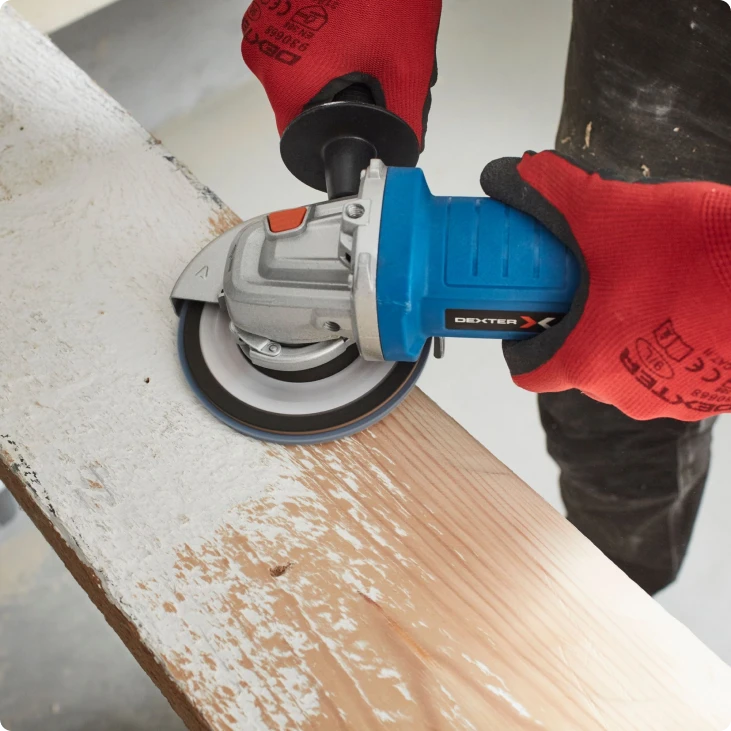

cutting disc for concrete and metal
Introduction to Advanced Concrete Cutting Solutions In demanding construction and demolition environments, the efficiency, precision, and safety of cutting tools are paramount. The evolution of materials science and manufacturing techniques has led to the development of highly specialized abrasive solutions, with the diamond blade for cutting concrete standing as a testament to engineering excellence. This article delves into the intricacies of these indispensable tools, providing B2B decision-makers and technical engineers with a comprehensive overview of their design, application, and strategic importance in modern industrial operations. We explore the core technical specifications, application versatility, and the critical advantages that position these blades as a cornerstone for projects requiring superior cutting performance. From highway construction to intricate utility trenching, the requirements for cutting reinforced concrete are stringent. A high-quality concrete diamond blade not only enhances operational efficiency but also significantly contributes to project timelines and overall cost-effectiveness. Our focus is to illuminate the technical advantages, customization options, and the rigorous standards that underpin the reliability and longevity of these cutting-edge products. Industry Trends and Market Dynamics for Concrete Cutting Blades The global market for diamond tools, particularly those designed for robust construction materials, is experiencing robust growth driven by accelerating urbanization, infrastructure development, and increasing demand for precision demolition techniques. Key trends indicate a shift towards enhanced sustainability, improved operator safety, and higher performance output. End-users are increasingly seeking diamond cutting disc for concrete solutions that offer longer service life, reduced noise and vibration, and cleaner cuts, thereby minimizing material waste and post-processing efforts. Technological advancements are continuous, with manufacturers investing heavily in R&D to optimize diamond segment formulations, blade core designs, and bonding technologies. The integration of artificial intelligence and machine learning in quality control processes, alongside advanced material science, is pushing the boundaries of what a diamond blade for cutting concrete can achieve. Furthermore, there's a growing emphasis on application-specific blade designs, allowing for specialized performance in challenging conditions such as cutting through heavily reinforced concrete or abrasive aggregates. According to recent industry reports, the global market for diamond tools is projected to grow at a CAGR of approximately 6-8% over the next five years, with construction and infrastructure sectors being primary drivers. This growth is fueled by a combination of new construction projects and the extensive maintenance and repair of aging infrastructure worldwide. The Manufacturing Process of a Diamond Blade for Cutting Concrete The production of a high-performance diamond blade for cutting concrete is a multi-stage, precision-intensive process that combines advanced metallurgy with sophisticated bonding technologies. Each step is crucial for ensuring the blade's durability, cutting efficiency, and safety. Process Flow Overview: Steel Core Fabrication: High-grade alloy steel sheets are precision-cut and heat-treated to form the blade's core. This core is engineered for optimal rigidity, flatness, and resistance to deformation under extreme cutting forces. Specialized laser cutting and CNC machining ensure precise dimensions and arbor hole configuration. Target industries requiring this precision include heavy construction, road building, and utility infrastructure. Diamond Segment Formulation: Industrial diamonds, synthesized for specific hardness and fracture characteristics, are meticulously blended with a metallic powder matrix (cobalt, iron, copper, nickel, etc.). The exact composition of this metal bond determines how quickly the bond wears away to expose new diamond particles, a critical factor for cutting different aggregate types, from soft asphalt to hard, reinforced concrete. Segment Pressing & Sintering: The diamond/metal powder mixture is pressed into segment molds under high pressure. These "green" segments are then subjected to high-temperature sintering in controlled atmosphere furnaces. This process fuses the metal powders, encapsulating the diamonds and creating a durable, wear-resistant segment. Brazing (Segment Attachment): The diamond segments are precisely positioned and attached to the steel core using high-frequency induction brazing or laser welding. Brazing involves a silver or copper alloy that melts to create a strong, metallurgical bond between the segment and the steel core. This ensures maximum shear strength and prevents segment loss during operation. Tensioning & Straightening: After brazing, blades undergo a tensioning process, often through controlled heat treatment or mechanical rolling. This imparts specific internal stresses that enhance blade stability and prevent warping during high-speed rotation. Straightness and flatness are verified against tight tolerances. Grinding & Sharpening: The segments are ground to achieve precise dimensions and initial sharpness, ensuring immediate cutting efficiency upon first use. Quality Control & Testing: Each concrete diamond blade undergoes rigorous testing to meet stringent international standards such as ISO 9001 for quality management and ANSI safety standards. This includes dynamic balance testing, segment pull-off tests, and visual inspection for defects. Service life predictions are often derived from accelerated wear tests under simulated conditions. This meticulous process ensures that the final product offers superior cutting performance, extended service life (often hundreds of linear meters depending on material), and enhanced safety, providing significant advantages such as energy saving through optimized friction and superior corrosion resistance due to the robust materials used in the steel core and segment bond. Technical Specifications and Parameters Understanding the technical parameters of a diamond blade for cutting concrete is crucial for selecting the right tool for specific applications, ensuring optimal performance and safety. Key specifications define the blade's suitability for different concrete types, cutting depths, and machine compatibility. Typical Product Specifications: Diamond Blade For Cutting Concrete And Reinforced Concrete Parameter Specification Range Technical Notes Blade Diameter 100 mm to 1200 mm (4" to 48") Dependent on saw type (handheld, walk-behind, wall saw) and required cutting depth. Arbor Hole Diameter 20 mm, 22.23 mm, 25.4 mm, 50 mm, 60 mm, custom Ensures compatibility with various cutting machines globally. Segment Height 8 mm to 15 mm Directly impacts blade lifespan. Taller segments offer extended life. Segment Width (Kerf) 2.4 mm to 5.0 mm Determines cut width and material removal rate. Wider for stability, narrower for precision. Bond Type Hard, Medium, Soft (Cobalt, Iron, Copper-based) Hard bond for abrasive materials, soft bond for hard materials. Optimized for aggregate type. Diamond Concentration Medium to High (25-40%) Influences cutting speed and blade life. Higher concentration for very hard materials. Core Type Standard, Silent, Undercut Protection Silent cores reduce noise/vibration; undercut protection prevents premature core wear. Application (Wet/Dry) Wet Cutting Preferred (Some Dry Options) Wet cutting extends blade life, reduces dust, and cools segments. Maximum RPM Up to 5,500 RPM (depending on diameter) Critical safety parameter. Must match or exceed machine's maximum speed. These specifications allow for precise selection and optimization, ensuring that a diamond concrete grinding disc or cutting disc delivers peak performance for any given project, from general purpose cutting to specialized tasks involving heavily reinforced structures. Application Scenarios Across Diverse Industries The versatility of a diamond blade for cutting concrete makes it an essential tool across a multitude of heavy industries. Its capacity to cut through tough, abrasive, and often reinforced materials with precision and speed is invaluable. Target Industries and Typical Use Cases: Construction & Civil Engineering: Essential for road construction (expansion joints, crack repair), bridge deck modification, runway maintenance, and general concrete slab cutting. For instance, precisely cutting out sections of airport runways for repair without compromising adjacent structures. Demolition & Renovation: Used for controlled demolition of concrete walls, floors, and structural elements where traditional methods are too destructive or hazardous. This includes cutting large openings for doors, windows, or utility access in existing concrete structures. Utility & Infrastructure: Critical for trenching in concrete for laying pipes, cables, or fiber optics. Also used in water supply & drainage projects for cutting access points or modifying concrete channels. The petrochemical industry uses them for precise cuts in concrete foundations or containment structures. Mining & Metallurgy: While not direct ore processing, these blades are used for cutting concrete linings in tunnels, access roads, and processing plant foundations, demonstrating robust performance in harsh conditions. Architectural Concrete & Decorative Cuts: Precision `diamond cutting disc for concrete` enables aesthetic cuts, scoring, and relief work in architectural concrete for decorative purposes. Each application demands specific blade characteristics, from segmented blades for aggressive cutting in general concrete to continuous rim blades for smooth finishes, or specialized diamond grinding wheels for concrete for surface preparation and levelling. Technical Advantages and Performance Benefits The inherent technical advantages of a well-engineered diamond blade for cutting concrete translate directly into significant operational benefits and cost savings for B2B users. These advantages are a result of advanced material science and manufacturing precision. Superior Cutting Speed and Efficiency: Diamond blades cut through concrete and reinforced concrete significantly faster than conventional abrasive blades, reducing labor hours and accelerating project completion. This efficiency directly impacts project profitability, especially in large-scale infrastructure projects. Exceptional Durability and Service Life: Due to the hardness of industrial diamonds and the robust metal bond, these blades offer a substantially longer operational life. A single concrete diamond blade can outlast dozens, even hundreds, of traditional abrasive wheels, leading to fewer blade changes, less downtime, and reduced consumables cost. Precision and Cleanliness of Cut: Diamond blades produce cleaner, more accurate cuts with minimal spalling or chipping. This precision is critical for structural integrity, aesthetic requirements, and reducing post-cutting rework, which is particularly important in architectural and structural repair applications. Reduced Dust and Debris: When used with wet cutting methods, diamond blades significantly reduce airborne dust particles, improving job site safety and compliance with environmental regulations (e.g., OSHA silica dust regulations). This also contributes to energy saving by reducing the need for extensive dust extraction systems. Versatility Across Materials: While optimized for concrete, many advanced diamond blades can effectively cut through a range of construction materials including asphalt, masonry, stone, and even light metals (steel rebar within concrete), offering greater utility. Enhanced Safety: Diamond blades maintain a constant diameter, unlike abrasive blades which shrink with wear, minimizing the risk of kickbacks and ensuring consistent performance. The robust construction and adherence to ISO/ANSI standards also bolster operator safety. Vendor Comparison: Selecting the Optimal Diamond Blade Provider Choosing the right supplier for a diamond blade for cutting concrete is as critical as selecting the blade itself. B2B decision-makers must evaluate vendors based on product quality, technological innovation, customization capabilities, and post-sales support. Comparative Analysis Criteria: Criteria Leading Manufacturers (Typical) Specialized Innovators (Typical) Product Range & Versatility Broad selection for general purpose, good for various concrete types. Highly specialized blades for specific applications (e.g., green concrete, heavily reinforced, abrasive aggregates). Technological Innovation Adopts established technologies, consistent performance. Pioneers new bond formulations, segment designs (e.g., turbo, narrow kerf), silent cores. Quality & Certifications ISO 9001, basic safety standards (e.g., EN 13236). Multiple international certifications (ISO, ANSI, OSA), rigorous internal testing, traceability. Customization Capabilities Limited to standard configurations or slight variations. Extensive custom segment designs, bond formulations, core modifications for unique challenges. Technical Support & Service Standard customer service, basic troubleshooting. Dedicated technical experts, on-site consultations, performance analysis, training programs. Pricing Model Competitive per-unit pricing, volume discounts. Value-based pricing, emphasizing total cost of ownership (TCO) due to superior life and efficiency. A key differentiator for a high-quality supplier is their ability to provide precise guidance on optimizing blade selection based on the specific aggregate hardness, reinforcement density, and machine power, ultimately maximizing the lifespan of the diamond concrete grinding disc and cutting efficiency. Customized Solutions for Unique Cutting Challenges Standard off-the-shelf blades, while efficient for general applications, may not always deliver optimal performance in highly specialized or exceptionally demanding scenarios. This is where customized diamond blade for cutting concrete solutions become invaluable. Tailored solutions ensure that the blade is perfectly matched to the unique characteristics of the cutting material, machinery, and operational environment. Aspects of Customization: Bond Hardness and Composition: Adjusting the metallic matrix to be harder for abrasive materials (like sandy concrete) or softer for very hard, dense concrete and heavy rebar allows the diamond particles to wear at an optimal rate, ensuring consistent exposure of sharp cutting edges. Diamond Type and Concentration: Utilizing specific industrial diamond types (e.g., blocky for impact resistance, friable for self-sharpening) and varying their concentration within the segments can optimize the blade for specific aggregate types, such as limestone, granite, or river rock. Segment Design: Custom segment shapes (e.g., turbo, roof-top, narrow gullets), sizes, and patterns can be engineered to enhance cooling, debris evacuation, and cutting aggressiveness, especially for deep cuts or specific materials. Core Specifications: Specialized steel core alloys, tensioning, and cooling hole patterns can be designed for extreme conditions, such as high-heat applications, very deep cuts, or reducing noise and vibration in sensitive environments. These tailored solutions often result in superior cutting performance, extended blade life, and reduced operational costs compared to generic blades. Our engineers collaborate closely with clients to analyze project requirements and material compositions, delivering bespoke diamond cutting disc for concrete solutions that precisely meet their unique challenges. Application Case Studies Real-world applications demonstrate the tangible benefits of utilizing high-quality diamond blade for cutting concrete products. These case studies highlight effective problem-solving and measurable improvements. Case Study 1: Highway Infrastructure Project Challenge: A major highway construction firm faced significant downtime and high consumable costs due to rapid wear of standard blades when cutting high-strength, heavily reinforced concrete sections for bridge expansion joints. The aggregate contained tough river rock and double layers of rebar. Solution: We provided a custom-engineered concrete diamond blade featuring a specialized hard metal bond for high abrasion resistance and high diamond concentration with impact-resistant diamond grit. The segments were designed with an undercut protection to prevent premature core wear. Result: The custom blade achieved a 40% increase in cutting speed and a 150% increase in service life compared to previous blades. This translated to a 25% reduction in overall project time for the cutting phase and a 30% saving in consumable costs, contributing to higher profitability and meeting tight deadlines. Case Study 2: Petrochemical Plant Decommissioning Challenge: During the controlled decommissioning of a petrochemical facility, concrete foundations and containment walls, which had been exposed to various corrosive chemicals over decades, needed to be precisely removed. The concrete exhibited unusual hardness and potential for embedded chemical residues. Solution: We supplied robust diamond grinding wheels for concrete and cutting blades with chemically resistant segment bonds and a unique diamond distribution that ensured aggressive cutting without premature bond degradation. Blades were designed for wet cutting to mitigate dust, essential in a controlled environment. Result: The blades performed exceptionally, maintaining cutting efficiency through the challenging concrete. The precision cuts minimized structural vibration, crucial for adjacent operational units, and the extended life reduced the number of blade changes by 70%, enhancing safety and operational continuity. Trustworthiness and Support Our commitment to quality, reliability, and customer satisfaction is fundamental to our operations. We ensure that every diamond blade for cutting concrete meets the highest industry standards. Frequently Asked Questions (FAQ) Q: How do I choose the correct diamond blade for my application? A: Selection depends on the material (hard/soft concrete, rebar content, aggregate type), cutting method (wet/dry), and machine type (handheld, walk-behind, wall saw). Our technical team can provide expert recommendations based on your specific project requirements. Q: What is the typical service life of your diamond blades? A: Service life varies significantly with material abrasiveness, cutting technique, and blade type. However, our blades are engineered for extended durability, often delivering hundreds of linear meters of cut in standard concrete, significantly outperforming competitors. Q: Are your products compliant with international safety standards? A: Absolutely. All our products adhere to stringent international standards, including ISO 9001 for quality management and relevant ANSI/EN safety standards, ensuring reliability and operator safety. Lead Time and Fulfillment Standard concrete diamond blade orders are typically fulfilled within 7-14 business days. Custom orders, depending on complexity and material sourcing, may require 3-5 weeks. We maintain robust supply chain logistics to ensure timely delivery and minimize project delays. Expedited shipping options are available upon request. Warranty Commitments We stand behind the quality of our products. All our diamond blades come with a comprehensive warranty against manufacturing defects. Specific warranty terms vary by product line and are detailed in your purchase agreement. We are committed to ensuring our blades perform as expected under normal operating conditions. Customer Support and Technical Assistance Our dedicated customer support team and expert technical engineers are available to assist with product selection, application guidance, troubleshooting, and any post-sales inquiries. We offer on-site consultations for complex projects and comprehensive training for optimal blade utilization, reinforcing our commitment to your success. Reach out to us via phone, email, or our online portal for prompt assistance. Conclusion The selection of an appropriate diamond blade for cutting concrete is a critical decision that significantly impacts the efficiency, cost-effectiveness, and safety of construction and industrial projects. By understanding the intricate manufacturing processes, technical specifications, diverse application scenarios, and the profound technical advantages offered by these advanced tools, B2B stakeholders can make informed choices that drive operational excellence. Our commitment to innovation, quality, and comprehensive customer support ensures that our partners are equipped with the best-in-class cutting solutions for even the most demanding concrete challenges. References Industrial Diamond Review. "Advancements in Diamond Tool Technology for Concrete." (Peer-reviewed journal, 2023). International Standards Organization (ISO). "ISO 9001: Quality Management Systems – Requirements." (Official standard document). American National Standards Institute (ANSI). "ANSI B7.1: Safety Requirements for the Use, Care, and Protection of Abrasive Wheels." (Official standard document). Construction Industry Research & Information Association (CIRIA). "Concrete Cutting Techniques Best Practices." (Industry report, 2022).
-
 30000M2Floor Space
 -
 100+Team size
 -
 20+Production experience
 -
 120+Export Countries
cutting disc for concrete and metal
Introduction to Advanced Concrete Cutting Solutions In demanding construction and demolition environments, the efficiency, precision, and safety of cutting tools are paramount. The evolution of materials science and manufacturing techniques has led to the development of highly specialized abrasive solutions, with the diamond blade for cutting concrete standing as a testament to engineering excellence. This article delves into the intricacies of these indispensable tools, providing B2B decision-makers and technical engineers with a comprehensive overview of their design, application, and strategic importance in modern industrial operations. We explore the core technical specifications, application versatility, and the critical advantages that position these blades as a cornerstone for projects requiring superior cutting performance. From highway construction to intricate utility trenching, the requirements for cutting reinforced concrete are stringent. A high-quality concrete diamond blade not only enhances operational efficiency but also significantly contributes to project timelines and overall cost-effectiveness. Our focus is to illuminate the technical advantages, customization options, and the rigorous standards that underpin the reliability and longevity of these cutting-edge products. Industry Trends and Market Dynamics for Concrete Cutting Blades The global market for diamond tools, particularly those designed for robust construction materials, is experiencing robust growth driven by accelerating urbanization, infrastructure development, and increasing demand for precision demolition techniques. Key trends indicate a shift towards enhanced sustainability, improved operator safety, and higher performance output. End-users are increasingly seeking diamond cutting disc for concrete solutions that offer longer service life, reduced noise and vibration, and cleaner cuts, thereby minimizing material waste and post-processing efforts. Technological advancements are continuous, with manufacturers investing heavily in R&D to optimize diamond segment formulations, blade core designs, and bonding technologies. The integration of artificial intelligence and machine learning in quality control processes, alongside advanced material science, is pushing the boundaries of what a diamond blade for cutting concrete can achieve. Furthermore, there's a growing emphasis on application-specific blade designs, allowing for specialized performance in challenging conditions such as cutting through heavily reinforced concrete or abrasive aggregates. According to recent industry reports, the global market for diamond tools is projected to grow at a CAGR of approximately 6-8% over the next five years, with construction and infrastructure sectors being primary drivers. This growth is fueled by a combination of new construction projects and the extensive maintenance and repair of aging infrastructure worldwide. The Manufacturing Process of a Diamond Blade for Cutting Concrete The production of a high-performance diamond blade for cutting concrete is a multi-stage, precision-intensive process that combines advanced metallurgy with sophisticated bonding technologies. Each step is crucial for ensuring the blade's durability, cutting efficiency, and safety. Process Flow Overview: Steel Core Fabrication: High-grade alloy steel sheets are precision-cut and heat-treated to form the blade's core. This core is engineered for optimal rigidity, flatness, and resistance to deformation under extreme cutting forces. Specialized laser cutting and CNC machining ensure precise dimensions and arbor hole configuration. Target industries requiring this precision include heavy construction, road building, and utility infrastructure. Diamond Segment Formulation: Industrial diamonds, synthesized for specific hardness and fracture characteristics, are meticulously blended with a metallic powder matrix (cobalt, iron, copper, nickel, etc.). The exact composition of this metal bond determines how quickly the bond wears away to expose new diamond particles, a critical factor for cutting different aggregate types, from soft asphalt to hard, reinforced concrete. Segment Pressing & Sintering: The diamond/metal powder mixture is pressed into segment molds under high pressure. These "green" segments are then subjected to high-temperature sintering in controlled atmosphere furnaces. This process fuses the metal powders, encapsulating the diamonds and creating a durable, wear-resistant segment. Brazing (Segment Attachment): The diamond segments are precisely positioned and attached to the steel core using high-frequency induction brazing or laser welding. Brazing involves a silver or copper alloy that melts to create a strong, metallurgical bond between the segment and the steel core. This ensures maximum shear strength and prevents segment loss during operation. Tensioning & Straightening: After brazing, blades undergo a tensioning process, often through controlled heat treatment or mechanical rolling. This imparts specific internal stresses that enhance blade stability and prevent warping during high-speed rotation. Straightness and flatness are verified against tight tolerances. Grinding & Sharpening: The segments are ground to achieve precise dimensions and initial sharpness, ensuring immediate cutting efficiency upon first use. Quality Control & Testing: Each concrete diamond blade undergoes rigorous testing to meet stringent international standards such as ISO 9001 for quality management and ANSI safety standards. This includes dynamic balance testing, segment pull-off tests, and visual inspection for defects. Service life predictions are often derived from accelerated wear tests under simulated conditions. This meticulous process ensures that the final product offers superior cutting performance, extended service life (often hundreds of linear meters depending on material), and enhanced safety, providing significant advantages such as energy saving through optimized friction and superior corrosion resistance due to the robust materials used in the steel core and segment bond. Technical Specifications and Parameters Understanding the technical parameters of a diamond blade for cutting concrete is crucial for selecting the right tool for specific applications, ensuring optimal performance and safety. Key specifications define the blade's suitability for different concrete types, cutting depths, and machine compatibility. Typical Product Specifications: Diamond Blade For Cutting Concrete And Reinforced Concrete Parameter Specification Range Technical Notes Blade Diameter 100 mm to 1200 mm (4" to 48") Dependent on saw type (handheld, walk-behind, wall saw) and required cutting depth. Arbor Hole Diameter 20 mm, 22.23 mm, 25.4 mm, 50 mm, 60 mm, custom Ensures compatibility with various cutting machines globally. Segment Height 8 mm to 15 mm Directly impacts blade lifespan. Taller segments offer extended life. Segment Width (Kerf) 2.4 mm to 5.0 mm Determines cut width and material removal rate. Wider for stability, narrower for precision. Bond Type Hard, Medium, Soft (Cobalt, Iron, Copper-based) Hard bond for abrasive materials, soft bond for hard materials. Optimized for aggregate type. Diamond Concentration Medium to High (25-40%) Influences cutting speed and blade life. Higher concentration for very hard materials. Core Type Standard, Silent, Undercut Protection Silent cores reduce noise/vibration; undercut protection prevents premature core wear. Application (Wet/Dry) Wet Cutting Preferred (Some Dry Options) Wet cutting extends blade life, reduces dust, and cools segments. Maximum RPM Up to 5,500 RPM (depending on diameter) Critical safety parameter. Must match or exceed machine's maximum speed. These specifications allow for precise selection and optimization, ensuring that a diamond concrete grinding disc or cutting disc delivers peak performance for any given project, from general purpose cutting to specialized tasks involving heavily reinforced structures. Application Scenarios Across Diverse Industries The versatility of a diamond blade for cutting concrete makes it an essential tool across a multitude of heavy industries. Its capacity to cut through tough, abrasive, and often reinforced materials with precision and speed is invaluable. Target Industries and Typical Use Cases: Construction & Civil Engineering: Essential for road construction (expansion joints, crack repair), bridge deck modification, runway maintenance, and general concrete slab cutting. For instance, precisely cutting out sections of airport runways for repair without compromising adjacent structures. Demolition & Renovation: Used for controlled demolition of concrete walls, floors, and structural elements where traditional methods are too destructive or hazardous. This includes cutting large openings for doors, windows, or utility access in existing concrete structures. Utility & Infrastructure: Critical for trenching in concrete for laying pipes, cables, or fiber optics. Also used in water supply & drainage projects for cutting access points or modifying concrete channels. The petrochemical industry uses them for precise cuts in concrete foundations or containment structures. Mining & Metallurgy: While not direct ore processing, these blades are used for cutting concrete linings in tunnels, access roads, and processing plant foundations, demonstrating robust performance in harsh conditions. Architectural Concrete & Decorative Cuts: Precision `diamond cutting disc for concrete` enables aesthetic cuts, scoring, and relief work in architectural concrete for decorative purposes. Each application demands specific blade characteristics, from segmented blades for aggressive cutting in general concrete to continuous rim blades for smooth finishes, or specialized diamond grinding wheels for concrete for surface preparation and levelling. Technical Advantages and Performance Benefits The inherent technical advantages of a well-engineered diamond blade for cutting concrete translate directly into significant operational benefits and cost savings for B2B users. These advantages are a result of advanced material science and manufacturing precision. Superior Cutting Speed and Efficiency: Diamond blades cut through concrete and reinforced concrete significantly faster than conventional abrasive blades, reducing labor hours and accelerating project completion. This efficiency directly impacts project profitability, especially in large-scale infrastructure projects. Exceptional Durability and Service Life: Due to the hardness of industrial diamonds and the robust metal bond, these blades offer a substantially longer operational life. A single concrete diamond blade can outlast dozens, even hundreds, of traditional abrasive wheels, leading to fewer blade changes, less downtime, and reduced consumables cost. Precision and Cleanliness of Cut: Diamond blades produce cleaner, more accurate cuts with minimal spalling or chipping. This precision is critical for structural integrity, aesthetic requirements, and reducing post-cutting rework, which is particularly important in architectural and structural repair applications. Reduced Dust and Debris: When used with wet cutting methods, diamond blades significantly reduce airborne dust particles, improving job site safety and compliance with environmental regulations (e.g., OSHA silica dust regulations). This also contributes to energy saving by reducing the need for extensive dust extraction systems. Versatility Across Materials: While optimized for concrete, many advanced diamond blades can effectively cut through a range of construction materials including asphalt, masonry, stone, and even light metals (steel rebar within concrete), offering greater utility. Enhanced Safety: Diamond blades maintain a constant diameter, unlike abrasive blades which shrink with wear, minimizing the risk of kickbacks and ensuring consistent performance. The robust construction and adherence to ISO/ANSI standards also bolster operator safety. Vendor Comparison: Selecting the Optimal Diamond Blade Provider Choosing the right supplier for a diamond blade for cutting concrete is as critical as selecting the blade itself. B2B decision-makers must evaluate vendors based on product quality, technological innovation, customization capabilities, and post-sales support. Comparative Analysis Criteria: Criteria Leading Manufacturers (Typical) Specialized Innovators (Typical) Product Range & Versatility Broad selection for general purpose, good for various concrete types. Highly specialized blades for specific applications (e.g., green concrete, heavily reinforced, abrasive aggregates). Technological Innovation Adopts established technologies, consistent performance. Pioneers new bond formulations, segment designs (e.g., turbo, narrow kerf), silent cores. Quality & Certifications ISO 9001, basic safety standards (e.g., EN 13236). Multiple international certifications (ISO, ANSI, OSA), rigorous internal testing, traceability. Customization Capabilities Limited to standard configurations or slight variations. Extensive custom segment designs, bond formulations, core modifications for unique challenges. Technical Support & Service Standard customer service, basic troubleshooting. Dedicated technical experts, on-site consultations, performance analysis, training programs. Pricing Model Competitive per-unit pricing, volume discounts. Value-based pricing, emphasizing total cost of ownership (TCO) due to superior life and efficiency. A key differentiator for a high-quality supplier is their ability to provide precise guidance on optimizing blade selection based on the specific aggregate hardness, reinforcement density, and machine power, ultimately maximizing the lifespan of the diamond concrete grinding disc and cutting efficiency. Customized Solutions for Unique Cutting Challenges Standard off-the-shelf blades, while efficient for general applications, may not always deliver optimal performance in highly specialized or exceptionally demanding scenarios. This is where customized diamond blade for cutting concrete solutions become invaluable. Tailored solutions ensure that the blade is perfectly matched to the unique characteristics of the cutting material, machinery, and operational environment. Aspects of Customization: Bond Hardness and Composition: Adjusting the metallic matrix to be harder for abrasive materials (like sandy concrete) or softer for very hard, dense concrete and heavy rebar allows the diamond particles to wear at an optimal rate, ensuring consistent exposure of sharp cutting edges. Diamond Type and Concentration: Utilizing specific industrial diamond types (e.g., blocky for impact resistance, friable for self-sharpening) and varying their concentration within the segments can optimize the blade for specific aggregate types, such as limestone, granite, or river rock. Segment Design: Custom segment shapes (e.g., turbo, roof-top, narrow gullets), sizes, and patterns can be engineered to enhance cooling, debris evacuation, and cutting aggressiveness, especially for deep cuts or specific materials. Core Specifications: Specialized steel core alloys, tensioning, and cooling hole patterns can be designed for extreme conditions, such as high-heat applications, very deep cuts, or reducing noise and vibration in sensitive environments. These tailored solutions often result in superior cutting performance, extended blade life, and reduced operational costs compared to generic blades. Our engineers collaborate closely with clients to analyze project requirements and material compositions, delivering bespoke diamond cutting disc for concrete solutions that precisely meet their unique challenges. Application Case Studies Real-world applications demonstrate the tangible benefits of utilizing high-quality diamond blade for cutting concrete products. These case studies highlight effective problem-solving and measurable improvements. Case Study 1: Highway Infrastructure Project Challenge: A major highway construction firm faced significant downtime and high consumable costs due to rapid wear of standard blades when cutting high-strength, heavily reinforced concrete sections for bridge expansion joints. The aggregate contained tough river rock and double layers of rebar. Solution: We provided a custom-engineered concrete diamond blade featuring a specialized hard metal bond for high abrasion resistance and high diamond concentration with impact-resistant diamond grit. The segments were designed with an undercut protection to prevent premature core wear. Result: The custom blade achieved a 40% increase in cutting speed and a 150% increase in service life compared to previous blades. This translated to a 25% reduction in overall project time for the cutting phase and a 30% saving in consumable costs, contributing to higher profitability and meeting tight deadlines. Case Study 2: Petrochemical Plant Decommissioning Challenge: During the controlled decommissioning of a petrochemical facility, concrete foundations and containment walls, which had been exposed to various corrosive chemicals over decades, needed to be precisely removed. The concrete exhibited unusual hardness and potential for embedded chemical residues. Solution: We supplied robust diamond grinding wheels for concrete and cutting blades with chemically resistant segment bonds and a unique diamond distribution that ensured aggressive cutting without premature bond degradation. Blades were designed for wet cutting to mitigate dust, essential in a controlled environment. Result: The blades performed exceptionally, maintaining cutting efficiency through the challenging concrete. The precision cuts minimized structural vibration, crucial for adjacent operational units, and the extended life reduced the number of blade changes by 70%, enhancing safety and operational continuity. Trustworthiness and Support Our commitment to quality, reliability, and customer satisfaction is fundamental to our operations. We ensure that every diamond blade for cutting concrete meets the highest industry standards. Frequently Asked Questions (FAQ) Q: How do I choose the correct diamond blade for my application? A: Selection depends on the material (hard/soft concrete, rebar content, aggregate type), cutting method (wet/dry), and machine type (handheld, walk-behind, wall saw). Our technical team can provide expert recommendations based on your specific project requirements. Q: What is the typical service life of your diamond blades? A: Service life varies significantly with material abrasiveness, cutting technique, and blade type. However, our blades are engineered for extended durability, often delivering hundreds of linear meters of cut in standard concrete, significantly outperforming competitors. Q: Are your products compliant with international safety standards? A: Absolutely. All our products adhere to stringent international standards, including ISO 9001 for quality management and relevant ANSI/EN safety standards, ensuring reliability and operator safety. Lead Time and Fulfillment Standard concrete diamond blade orders are typically fulfilled within 7-14 business days. Custom orders, depending on complexity and material sourcing, may require 3-5 weeks. We maintain robust supply chain logistics to ensure timely delivery and minimize project delays. Expedited shipping options are available upon request. Warranty Commitments We stand behind the quality of our products. All our diamond blades come with a comprehensive warranty against manufacturing defects. Specific warranty terms vary by product line and are detailed in your purchase agreement. We are committed to ensuring our blades perform as expected under normal operating conditions. Customer Support and Technical Assistance Our dedicated customer support team and expert technical engineers are available to assist with product selection, application guidance, troubleshooting, and any post-sales inquiries. We offer on-site consultations for complex projects and comprehensive training for optimal blade utilization, reinforcing our commitment to your success. Reach out to us via phone, email, or our online portal for prompt assistance. Conclusion The selection of an appropriate diamond blade for cutting concrete is a critical decision that significantly impacts the efficiency, cost-effectiveness, and safety of construction and industrial projects. By understanding the intricate manufacturing processes, technical specifications, diverse application scenarios, and the profound technical advantages offered by these advanced tools, B2B stakeholders can make informed choices that drive operational excellence. Our commitment to innovation, quality, and comprehensive customer support ensures that our partners are equipped with the best-in-class cutting solutions for even the most demanding concrete challenges. References Industrial Diamond Review. "Advancements in Diamond Tool Technology for Concrete." (Peer-reviewed journal, 2023). International Standards Organization (ISO). "ISO 9001: Quality Management Systems – Requirements." (Official standard document). American National Standards Institute (ANSI). "ANSI B7.1: Safety Requirements for the Use, Care, and Protection of Abrasive Wheels." (Official standard document). Construction Industry Research & Information Association (CIRIA). "Concrete Cutting Techniques Best Practices." (Industry report, 2022).
-
30000M2Floor Space
-
100+Team size
-
20+Production experience
-
120+Export Countries